

Understanding Ovulation Problems
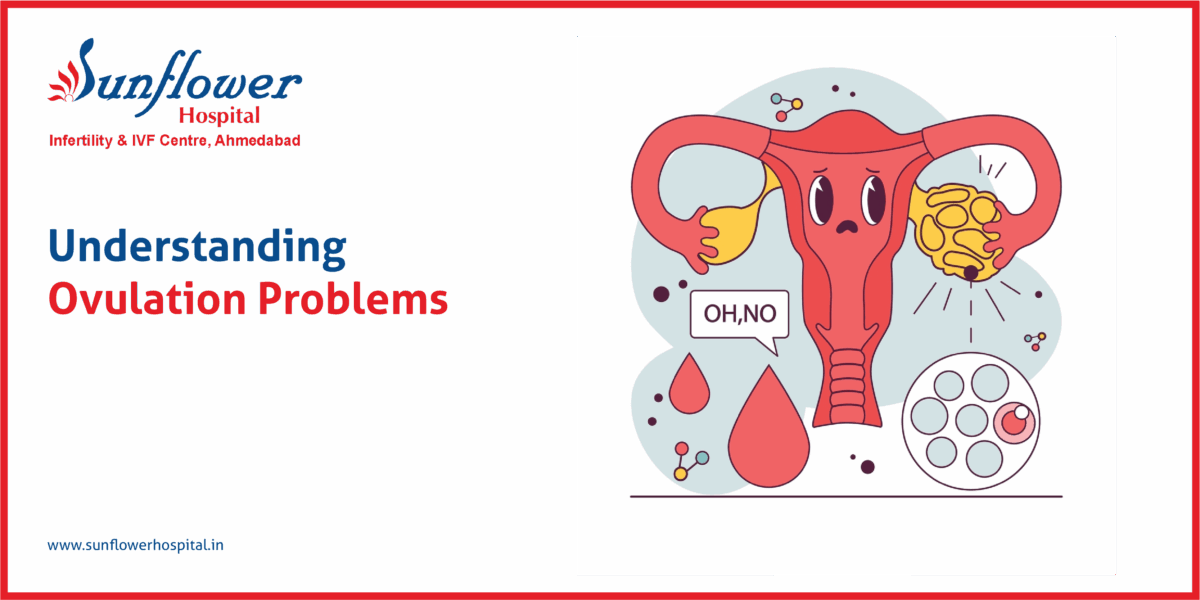

At 29 Sonal had been married for three years and thought she knew her body well. Yet she found herself buying pregnancy tests randomly because her cycle simply disappeared for months at a time. When we sat down together she confessed that the uncertainty was wearing on her, sometimes she would bleed lightly for a few days, other times nothing happened at all. Learning about ovulation problems in females was her first step toward understanding what her body was telling her.
What Happens During Ovulation
In a typical menstrual cycle, dozens of tiny follicles begin to grow under the influence of follicle stimulating hormone. Usually one becomes dominant, matures and releases an egg. Most women don’t feel more than a slight twinge when this happens. If no egg is released, the uterine lining still builds up and sheds but conception cannot occur.
Why Ovulation Goes Wrong
There isn’t one single reason why a woman might not ovulate. Sonal’s ultrasound revealed her ovaries were studded with many small, underdeveloped follicles. Her blood work suggested she was not using insulin efficiently, a hallmark of polycystic ovary syndrome. I have also seen athletes who train so intensively that their body fat drops and their brain temporarily halts hormone signals. New mothers who breastfeed on demand may go months without a cycle because prolactin remains high. Sudden weight changes, thyroid disorders and long periods of stress also disturb the brain’s messaging. Paying attention to irregular periods, acne, unwanted hair growth or unexplained weight gain helps identify ovulation problems in females early.
How We Diagnose Ovulation Problems
Diagnosing ovulation disorders involves listening to your story and matching it with hormone patterns. Blood tests for FSH, LH, oestrogen, progesterone, prolactin and thyroid hormones are scheduled at specific points in your cycle. We also use follicular monitoring, a series of brief ultrasounds during one cycle, to watch a dominant follicle grow and determine if it releases an egg. Many women enjoy seeing their ovaries on the screen. If needed, a transvaginal scan provides more detail about the ovaries and womb. We might also suggest charting basal body temperature or using home ovulation kits, but the ultrasound pictures tell us most clearly when ovulation is about to happen.
Treatment Options
Once we know why ovulation isn’t happening, we choose an approach tailored to the cause. For patients with insulin resistance like Sonal, regular meals, gentle exercise and sometimes a medication that improves insulin sensitivity can restore natural ovulation. We correct thyroid problems before anything else. When the ovaries simply need encouragement, we consider the ovulation induction process. Tablets such as clomiphene citrate or letrozole are taken early in the cycle to coax one follicle to maturity. We rely on follicular monitoring to adjust the dose so that just one or two eggs develop. In some cases we use short courses of injectable hormones. If these measures don’t result in ovulation or if other factors are present, intrauterine insemination or in vitro fertilisation may be recommended.
When to Seek Help
If your cycles are shorter than 21 days, longer than 35 days, unpredictable, or you have been trying to conceive for a year (six months if over 35), it’s time to speak with a fertility specialist. The sooner we evaluate ovulation problems in females, the sooner we can design a solution.
At Sunflower Hospital, we will sit with you to understand your concerns and use follicular monitoring to follow your cycle. If needed we can guide you through treatments like the ovulation induction process, always matching them to your lifestyle.
related blog

When to Visit a Male Fertility Specialist

Micro TESE Procedure Explained