

Natural Ways to Boost Fertility in Women
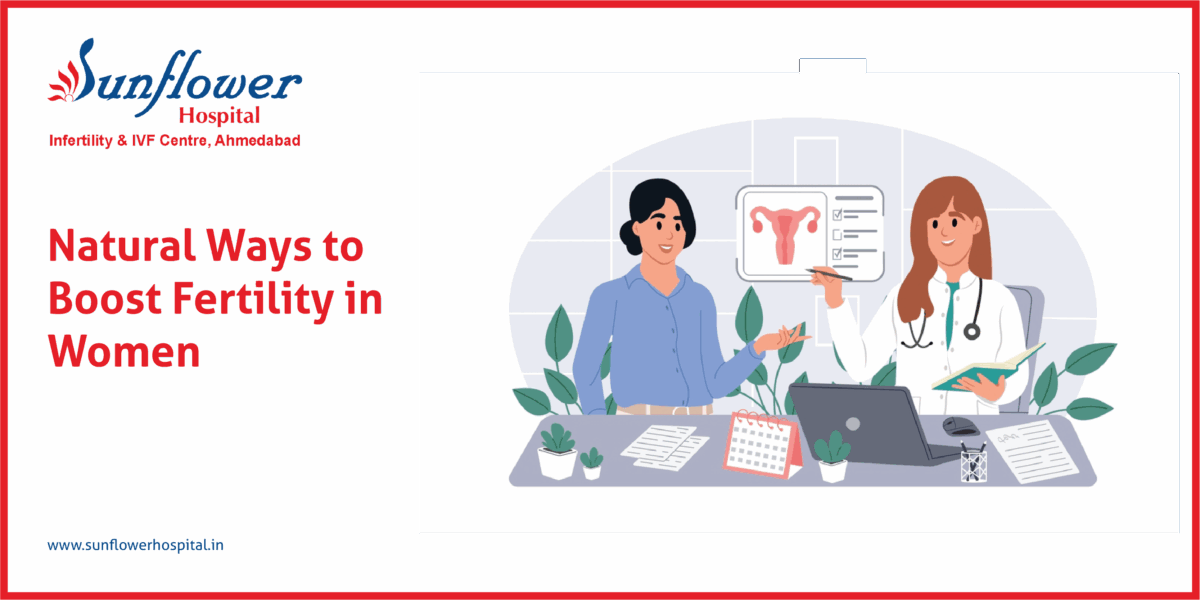

One humid June afternoon a young woman named Anita hurried into my office drenched by a sudden rain shower. A software engineer in her early thirties she had been trying to conceive for a year. Between long hours at her desk and skipping breakfast she worried something was wrong with her body. As she spoke it became clear that the small choices she made each day, from skipping breakfast to grabbing street food, were influencing her hormones more than she realised.
Nourishing Your Body
Your body needs fuel to produce hormones and grow an embryo. When I reviewed Anita’s diet I encouraged her to make small changes like eating a handful of soaked almonds each morning and adding seasonal vegetables and pulses to her plate. A diet that includes whole grains pulses fruits and plenty of water supports lifestyle and female fertility because it stabilises insulin levels and provides the building blocks for healthy eggs. Restrictive diets or extreme fasting can signal to the brain that conditions are not ideal for pregnancy.
Moving Mindfully
At first Anita laughed when I suggested exercise because she imagined heavy gym workouts. Instead we looked for movements that brought her joy. She started walking to the vegetable market after lunch chatting with neighbours along the way. On Saturday mornings she and her friend unrolled mats in her living room, put on a calming bhajan and practised simple yoga stretches together. She told me the sounds of birds and temple bells made the sessions feel like meditation. This gentle activity boosted circulation and lifted her mood. Sitting all day or forcing herself through high‑intensity training would have done the opposite.
Reducing Stress and Resting Well
When we discussed stress she told me that after dinner she would open her laptop again to finish coding or scroll through social media until midnight. Her mind raced and she found it hard to sleep. I suggested she close her laptop by ten, brew a cup of warm turmeric milk and read a chapter from a favourite novel. She also practised a breathing pattern: inhale slowly, pause, then exhale longer than she inhaled whenever she felt anxious. After a couple of weeks she said she was falling asleep more quickly and waking up refreshed and her cycle seemed to settle.
Avoiding Harmful Substances
We also looked at stimulants and toxins. Anita loved strong coffee and enjoyed the occasional glass of wine. Together we decided she would start her day with just one cup of chai and toast the evening with coconut water instead of alcohol. She also made an effort to avoid second‑hand smoke at social gatherings and to rinse fruits and vegetables well to remove pesticide residues. One day she came in carrying a shiny steel tiffin. She laughed that the clatter of the metal lid made her feel like a schoolgirl again, and somehow her lunch tasted better out of steel.
Understanding the Role of Age
When Anita turned thirty‑four she asked if she was already too old. I told her there is no sudden cutoff; some women conceive easily at thirty‑eight when they live healthily, while others face challenges earlier due to underlying conditions. Age doesn’t act alone; the way we live can either ease or magnify its effects. Knowing about fertility and age in women helps couples make informed plans but age alone does not determine the outcome.
Bringing Changes Together
In Anita’s case these habits came together slowly. Her evening turmeric milk and daily walk to the market seemed small at start but it helped to regulate her cycle. Drinking water throughout the day, keeping weight within a healthy range, choosing gentle activities and creating time to relax are simple natural fertility tips for women. Within a few months she felt more energetic and her cycles became more regular. Your path may look different from hers but caring for yourself in these ways will improve your overall wellbeing and may increase your chances of conceiving.
At Sunflower Hospital, we look at your whole lifestyle along with any medical factors. We will listen to your story, offer testing when needed and create a plan that combines guidance on daily habits with treatments so you can move toward parenthood with confidence.
related blog
When to Visit a Male Fertility Specialist
Micro TESE Procedure Explained