

Cryopreservation: Preserving Eggs and Embryos for Future
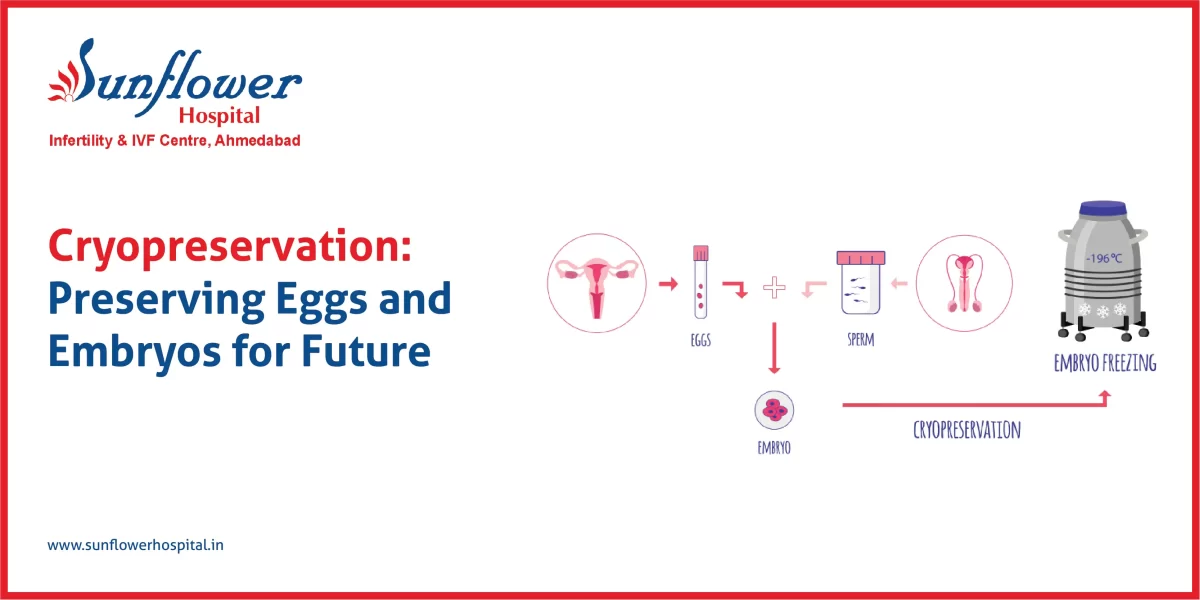

When couples come for IVF, most of them think only about what’s happening now. But the bigger question we often hear is, “Doctor, can we save our eggs or embryos for later?” The answer is yes. That’s what cryopreservation means — freezing eggs, sperm, or embryos so they can be used in the future.
So, what does cryopreservation actually mean in practice?
To be honest, it’s simpler than it sounds. We freeze reproductive cells at extremely low temperatures. They can stay safe for years. With today’s freezing techniques, survival rates are very high. Many women who are not ready for pregnancy yet choose it. Couples who have extra embryos after an IVF cycle also prefer cryopreservation of embryos so they don’t have to repeat the entire stimulation and collection process again.
Why couples choose to freeze
Different reasons. Some women want to delay pregnancy because of career or personal goals. Others because of health. I remember one patient in her early 30s who was about to start chemotherapy. She froze her eggs before treatment. A few years later, when she was healthy again, she came back and used them. That choice gave her the chance to become a mother.
How does the process actually work?
It feels more complicated than it is. In IVF, once eggs are collected and fertilized, the best embryos are transferred. The extra good ones are frozen. If a woman wants only egg freezing, that is done too. Men also freeze sperm — especially before traveling or medical treatments. Couples often ask about the oocyte freezing cost in India. The price varies, but compared to the benefit, it’s much lighter than repeating a whole IVF cycle later.
Why is it helpful?
Look, the biggest benefit is freedom. Couples don’t have to rush into decisions. They can plan pregnancy when they are ready. Many also say they feel calmer knowing embryos are frozen safely. For them, it’s like insurance for parenthood.
Does it really work?
Yes. With modern methods, frozen eggs and embryos survive well. Success still widely depends on the woman’s age at freezing and egg quality. But for couples asking about the success rate of infertility treatments in India, cryopreservation has made outcomes stronger. Frozen transfers today can be as successful as fresh ones.
Final thoughts
At Sunflower IVF, we see cryopreservation not just as science but as peace of mind. For some, it’s about career. For others, health. For many, it’s simply about having a choice. Freezing today can mean a chance at parenthood tomorrow. And that choice often makes all the difference.
related blog

When to Visit a Male Fertility Specialist
Micro TESE Procedure Explained