

Age and Female Fertility: What You Should Know
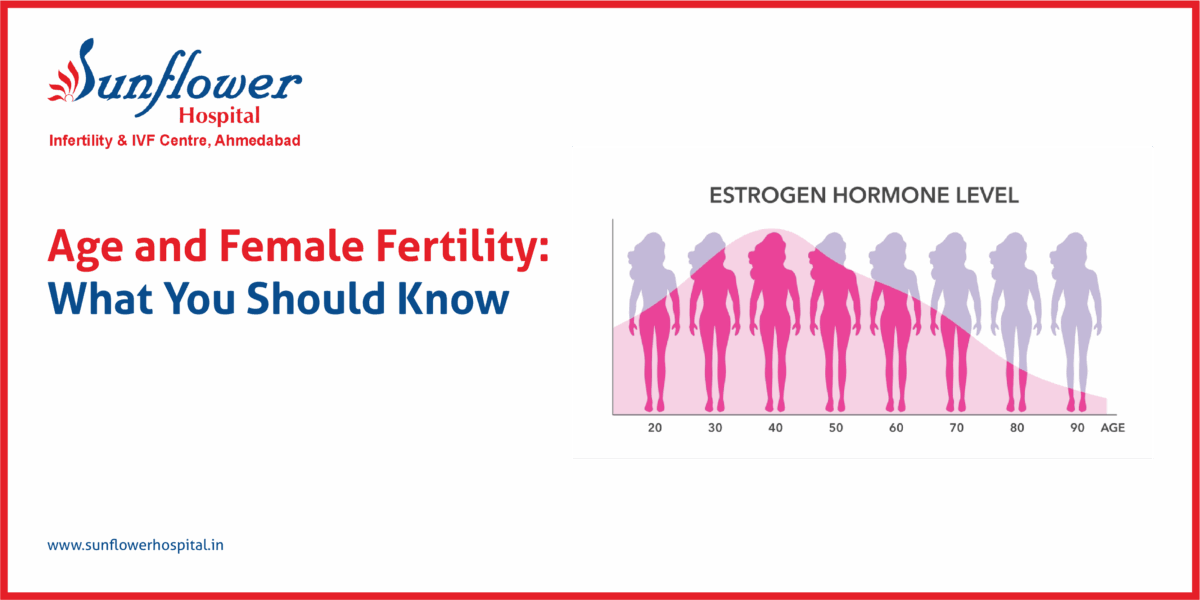

When my patient Meera turned 33 she and her husband decided to start their family. She had spent her twenties building a career and travelling. She ran on weekends and rarely fell ill. After eight months of trying she grew anxious and wondered whether her age made a difference. Understanding the link between fertility and age in women helped Meera and many others make informed choices.
Age and the Biological Clock
Women are born with all the eggs they will ever have. At birth they have about two million eggs; by puberty around 300 000 remain. Each month a cluster of follicles begins to grow and usually one matures and releases an egg while the others fade away. As a woman approaches her mid‑thirties the remaining eggs are fewer and more sensitive to environmental stress. This decline in egg quantity and quality is one of the female infertility causes after age 35. By 40 the chances of natural conception drop sharply although pregnancies still occur.
How Age Affects Egg Quality and Quantity
Age doesn’t just reduce the number of eggs; it can also affect their health. As eggs age they can develop little imperfections. I sometimes show my patients a basket of ripe and overripe mangoes to illustrate this: the overripe fruit may have dark spots. Similarly eggs in our late thirties are more likely to carry chromosomal mistakes which can lead to miscarriage or genetic conditions. That’s why we recommend extra prenatal tests to women over 35.
Options for Preserving Fertility
For women exploring ways to keep their fertility options open I share how we helped my neighbour’s cousin who was focusing on her start‑up. She visited us for several mornings to receive small hormone shots so that a group of eggs could grow at the same time. After a quick outpatient procedure we cooled those eggs in our lab to preserve them. Another couple decided to combine eggs and sperm before freezing so that embryos would be ready when the time was right. These choices do not promise a baby but they can give you more control over timing. The right option depends on your age, your health and whether you have a partner.
Supporting Fertility Naturally
No matter your age there are steps you can take to support fertility. I advise women to eat colourful Indian meals, think of plenty of seasonal vegetables, lentils, millets and a handful of nuts, and to move their bodies gently every day. Even a stroll around your neighbourhood or a few gentle stretches can lift your mood and support blood flow. Avoiding smoking and limiting alcohol protects egg quality. These natural fertility tips for women can make a meaningful difference alongside medical care.
When to Seek Advice
If you are under 35 and have been trying to conceive for a year without success or over 35 and trying for six months it is wise to see a fertility specialist. We may recommend testing your ovarian reserve using simple blood tests or ultrasound to understand your current fertility potential. When we see women sooner rather than later we have more tools to help whether they hope to conceive soon or are thinking ahead.
If you have questions about how age affects fertility come by our clinic in Gandhinagar or Ahmedabad. We’ll talk about your goals, arrange simple tests, discuss freezing eggs or embryos if that’s of interest and suggest lifestyle steps and treatments that suit you.
related blog
When to Visit a Male Fertility Specialist
Micro TESE Procedure Explained