

How Lifestyle Affects Fertility in Women
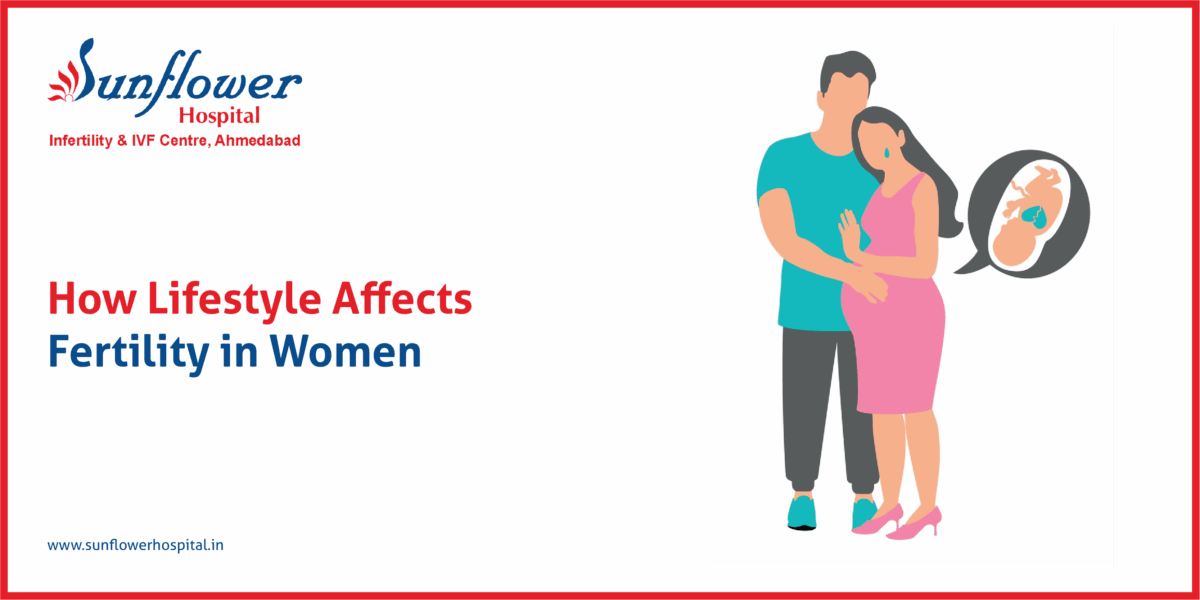

During a consultation last spring a 32 year old teacher named Riya confided that she and her husband had been trying for a baby for a year. She assumed something was wrong with her ovaries. After reviewing her history I noticed she was skipping meals to lose weight working late nights and surviving on coffee. By gently adjusting her habits we saw her cycle become more regular within a few months. This experience showed me how deeply lifestyle and female fertility are intertwined.
Nutrition and Weight
Food is information for our hormones. When we deprive ourselves of calories or nutrients the brain reads this as a sign that the body isn’t ready to carry a pregnancy and it turns down oestrogen production. At the other extreme a diet high in refined carbohydrates and saturated fats can lead to insulin resistance and higher androgen levels. With Riya we introduced balanced home cooked meals of dal roti vegetables and fruit and encouraged regular meal times. Within two cycles her energy improved and her ovulation signs returned.
Exercise and Stress
Movement supports fertility when it is moderate and enjoyable. I often suggest brisk walks in the park cycling or gentle yoga which increase blood flow to the reproductive organs without stripping away body fat. Too many high intensity workouts or marathon training sessions can shut down ovulation. Stress hormones are another hidden barrier. Riya began practising ten minutes of deep breathing each morning and set boundaries at work to reduce stress. These simple changes supported her lifestyle and female fertility more than any pill.
Sleep and Substances
Sleep is when the pituitary gland fine tunes its hormone signals. When my patients stay up past midnight watching shows or scrolling through their phones their cycles often become irregular. I ask them to aim for seven hours of sleep in a dark quiet room. We also talk about tobacco and alcohol. I have seen women regain regular cycles within months of stopping smoking and limiting wine to occasional social events. Cutting back on these habits counts among the most effective natural fertility tips for women.
Age and Lifestyle
Time affects egg quality but living well can slow the decline. When women in their early thirties like Riya prioritise whole foods active living and stress management they often maintain good ovarian function for longer. Because fertility and age in women are linked I encourage them not to delay seeking advice. Sometimes we discuss egg freezing to preserve options but often simple lifestyle shifts are enough to restore fertility.
Supporting Fertility Naturally
Small habits add up. Drinking water throughout the day supports cell function. Replacing sugary drinks with lemon water or herbal teas keeps insulin levels steady. Adding handfuls of nuts seeds or a spoon of flaxseed to meals brings in omega three fats. Taking a few moments to sit quietly and notice the breath calms the nervous system. These natural fertility tips for women create an internal environment where pregnancy is more likely to take hold.
When to Seek Help
If you have been trying to conceive for a year without success or six months if you are over thirty five it is time to speak with a fertility specialist. We will look at your daily habits along with any medical factors and develop a plan that honours your unique story.
At Sunflower Multispeciality we believe that medical treatment works best when it is combined with practical lifestyle guidance tailored to each woman’s life and culture, so you can move forward with confidence.
related blog
When to Visit a Male Fertility Specialist
Micro TESE Procedure Explained