

Follicular Monitoring: Why It’s Important for Fertility
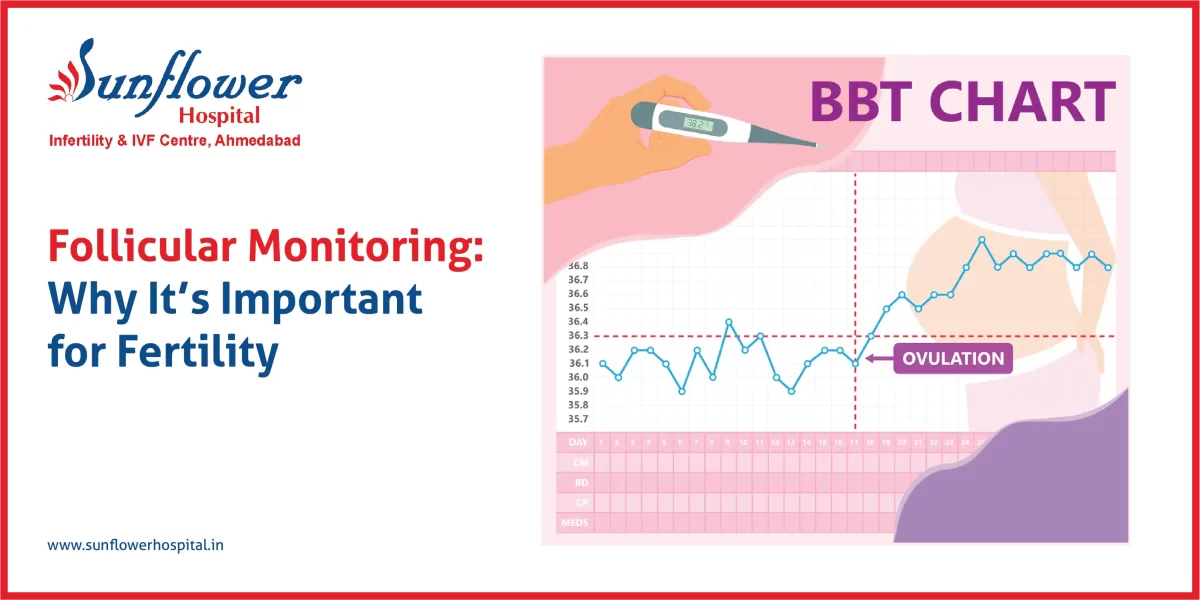

When couples walk into the clinic and say, “Doctor, we have been trying for months but nothing is happening,” one of the first steps we suggest is follicular monitoring. It is simple, safe, and gives us answers that no amount of guessing at home can provide.
What Follicular Monitoring Really Means
Follicular monitoring is just a series of ultrasound scans done during the cycle. These scans let us see how eggs are developing inside the ovaries. In fertility care, this is crucial. Without knowing whether ovulation is happening, treatment becomes trial and error. With follicular monitoring in fertility treatment, we can see the size of follicles, the thickness of the uterine lining, and even whether ovulation is actually taking place.
Why Timing Matters So Much
A lot of women ovulate irregularly. Some release an egg too late, some too early, and in some cases, not at all. Imagine trying for a whole year but always missing the right day. That is what happens without monitoring. With scans, we can guide couples on the exact time when pregnancy chances are highest. For women with PCOS, for example, this often makes the difference between “nothing happening” and finally seeing results.
Role in Fertility Treatments
Follicular monitoring is not only for couples trying naturally. It plays an even bigger role during treatments. In IVF, women undergo ovarian stimulation for IVF, and monitoring tells us how many follicles are growing and when the eggs are ready to be collected. In IUI, the scans help us plan the insemination at the right time. This is what we often explained as insemination treatment for pregnancy — success depends on precision, and precision comes from these scans.
What to Expect During Scans
Many women feel nervous about the process. The truth is, the scan is quick, painless, and over in a few minutes. It is done multiple times in one cycle, usually starting a few days after the period ends. Some women find the visits tiring, but almost every couple tells us that the clarity they get is worth it. One patient with irregular cycles once said, “For the first time, I finally understood what my body was doing.”
A Reassuring Note
Infertility feels uncertain, but follicular monitoring replaces that uncertainty with answers. At Sunflower IVF, we use these scans not just to check progress but to show couples in real time what is happening. For many, this becomes the turning point — from guessing and hoping to actually knowing and planning.
related blog

When to Visit a Male Fertility Specialist

Micro TESE Procedure Explained