

Ovarian Stimulation in IVF: Everything You Need to Know
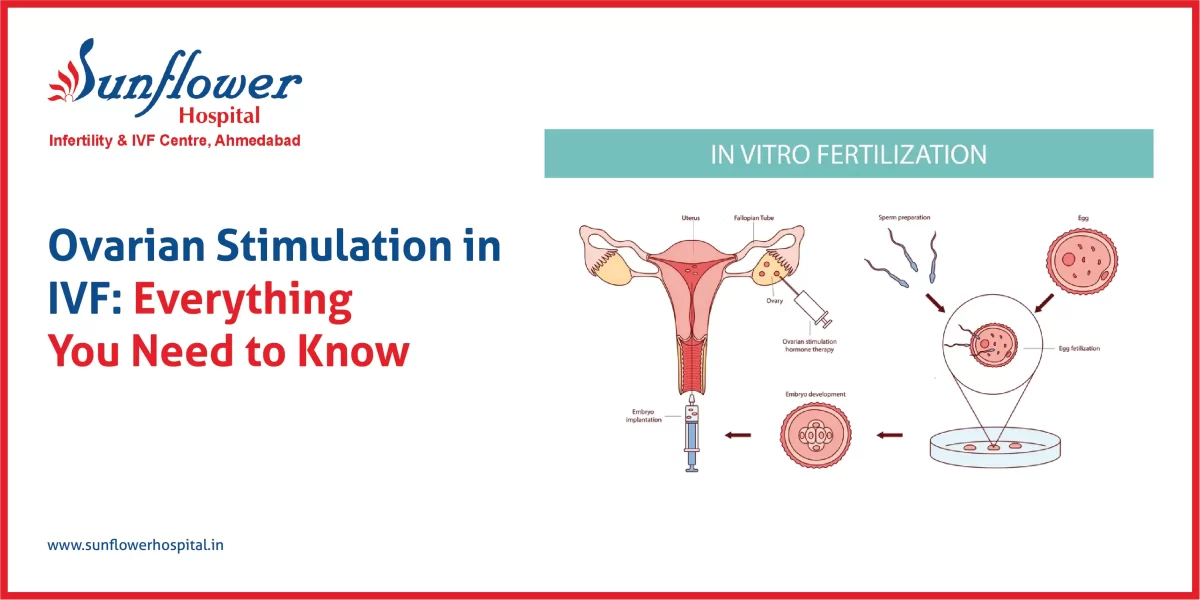

When couples begin IVF, the very first active step is ovarian stimulation for IVF. For many women, this part sounds overwhelming. In simple words, it means using medicines to help the ovaries produce more eggs than usual. The idea is straightforward: the more good-quality eggs we can collect, the higher the chances of creating healthy embryos.
How Ovarian Stimulation Works
Normally, a woman releases one egg each month. In IVF, injections or tablets are given to encourage the ovaries to produce multiple eggs. Doctors track this process through follicular monitoring in fertility treatment — a series of ultrasound scans and blood tests. These checks tell us how the ovaries are responding, whether follicles are growing properly, and when the right time for egg retrieval will be.
How Long It Takes and What to Expect
This phase usually lasts 8 to 14 days. Women often ask if it is painful. The injections may cause some discomfort, bloating, or mood swings, but most women manage it well. Our role as doctors is to monitor closely so that stimulation is safe and effective.
Possible Risks to Consider
Like any medical process, there are challenges. One of the IVF complications and risks during this step is ovarian hyperstimulation, where the ovaries respond too strongly. That is why constant monitoring is essential. With proper care and timely dose adjustments, the risk is greatly reduced.
Why This Step Matters
Ovarian stimulation directly influences IVF outcomes. With more mature eggs, there is a better chance of creating strong embryos, which improves pregnancy chances. For women with low ovarian reserve, stimulation protocols can be personalized to make the most of the available eggs.
Real Patient Stories
I remember one patient who came in very anxious, afraid she would not produce enough eggs. With a carefully tailored stimulation plan and close monitoring, she produced six healthy eggs. Two strong embryos developed, and on her first transfer, she conceived. Another woman with PCOS needed smaller doses and frequent scans to avoid overstimulation, but she also ended up with healthy embryos. Both stories show how crucial this stage is.
Final Thoughts
At Sunflower IVF, we explain every detail before starting. We want women to know what to expect, what to look out for, and how to manage the process with confidence. Ovarian stimulation is not just about medicines. It is about balance, timing, and support. With the right plan and close care, this step becomes the foundation for IVF success.
related blog
When to Visit a Male Fertility Specialist
Micro TESE Procedure Explained