

Sperm Washing Technique in IUI Explained
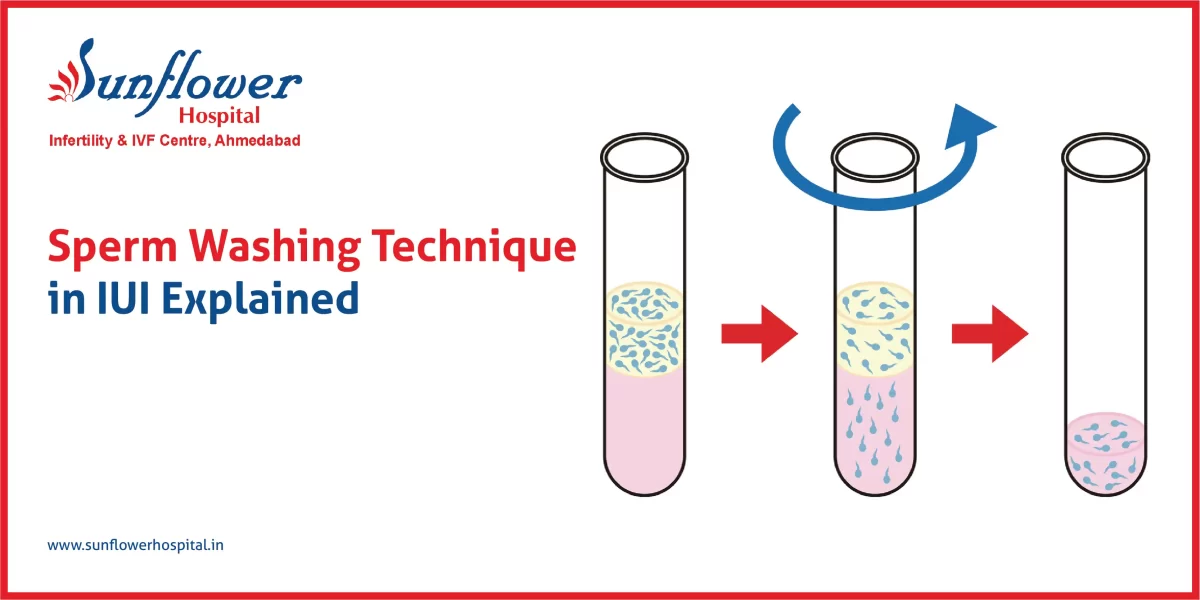

When couples hear the phrase “sperm washing,” most of them laugh nervously or look confused. To be honest, it does sound strange at first. But it is one of the most important lab steps in IUI. What it really means is simple: cleaning and preparing the semen so that only the strongest sperm are used.
Normal semen has a mix of everything: sperm cells, proteins, dead cells, fluid. Not all of it is useful for pregnancy. In fact, some of it can get in the way. During IUI, we only want the best sperm, the ones with the energy to reach the egg. So in the lab, the sample is processed. The weak ones are filtered out. What is left is a concentrated group of healthy sperm. This is what we use for the insemination. It is often called insemination treatment for pregnancy, because it gives sperm the best possible chance.
One question couples often ask me is about cost. “Doctor, is sperm washing expensive?” The answer is no. The sperm washing technique cost is relatively small compared to IVF or other advanced treatments. It is usually included as part of the IUI package. Of course, prices vary from one clinic to another, but in most cases it does not become a financial burden. And that reassures many families who are already anxious about expenses.
Does it help? Absolutely. By removing the weaker sperm and focusing only on the strongest, we improve the chances of fertilization. That directly impacts the IUI treatment success rate. Of course, success depends on many things: the woman’s age, egg quality, and overall health. But sperm washing is one of the key steps that improves the odds.
I remember a young couple, married for three years, who came in with a semen report showing poor motility. They were worried and thought IVF would be the only option. We suggested trying IUI first. After sperm washing and insemination, they conceived in their second cycle. For them, that little step made all the difference.
So when you hear “sperm washing,” do not overthink it. It is not complicated, it is not scary. It is just a way of giving nature a push: keeping the best sperm, removing the rest, and letting science help where the body needs support.
related blog

When to Visit a Male Fertility Specialist
Micro TESE Procedure Explained