

Gynec Laparoscopy Treatment
Sunflower Hospital is doing most of the gynae endoscopic procedures with a special inclination towards fertility-enhancing laparoscopy & hysteroscopy procedures & Total Laparoscopic Hysterectomy. We provide the best endoscopy in Ahmedabad with a team of experts & experienced endoscopic surgeons, expert anesthetists, equipped operation theaters, HD monitors & state of the art instruments.
Gynae Endoscopy requires a high level of precision and our team specializes in endoscopy related surgeries like Hysteroscopy for septum, myoma & adhesions; Laparoscopy, Salpingoscopy, Treatment of Ectopic Pregnancy, Diagnostic & Operative Laparoscopy for evaluation of Fertility, Ovarian Cyst Removal, Total Laparoscopic Hysterectomy (TLH), Myomectomy, Treatment of Endometriosis.
Gynae Endoscopic surgeries are done by an expert team headed by Dr R G Patel. Yet, the endoscopic surgery cost in Ahmedabad, Gujarat, India is quite affordable at SFWH to make it more feasible.
Gynec Laparoscopy Unit
We have dedicated hi-tech operation theater for Gynae Endoscopy equipped with latest & quality instruments which enables us to perform even most tertiary surgeries with safety & ease.

sunflower success numbers

1500+
IVF and ICSI procedures a year.

22000+
Live births by IVF and ICSI technology.

Life member
AOGS, AICOG, FOGSI, ISAR, ESHRE, ASRM, IFFS, IMA.

Success rate
70% to 76% in IVF ART.
Gynec Laparoscopy Instruments
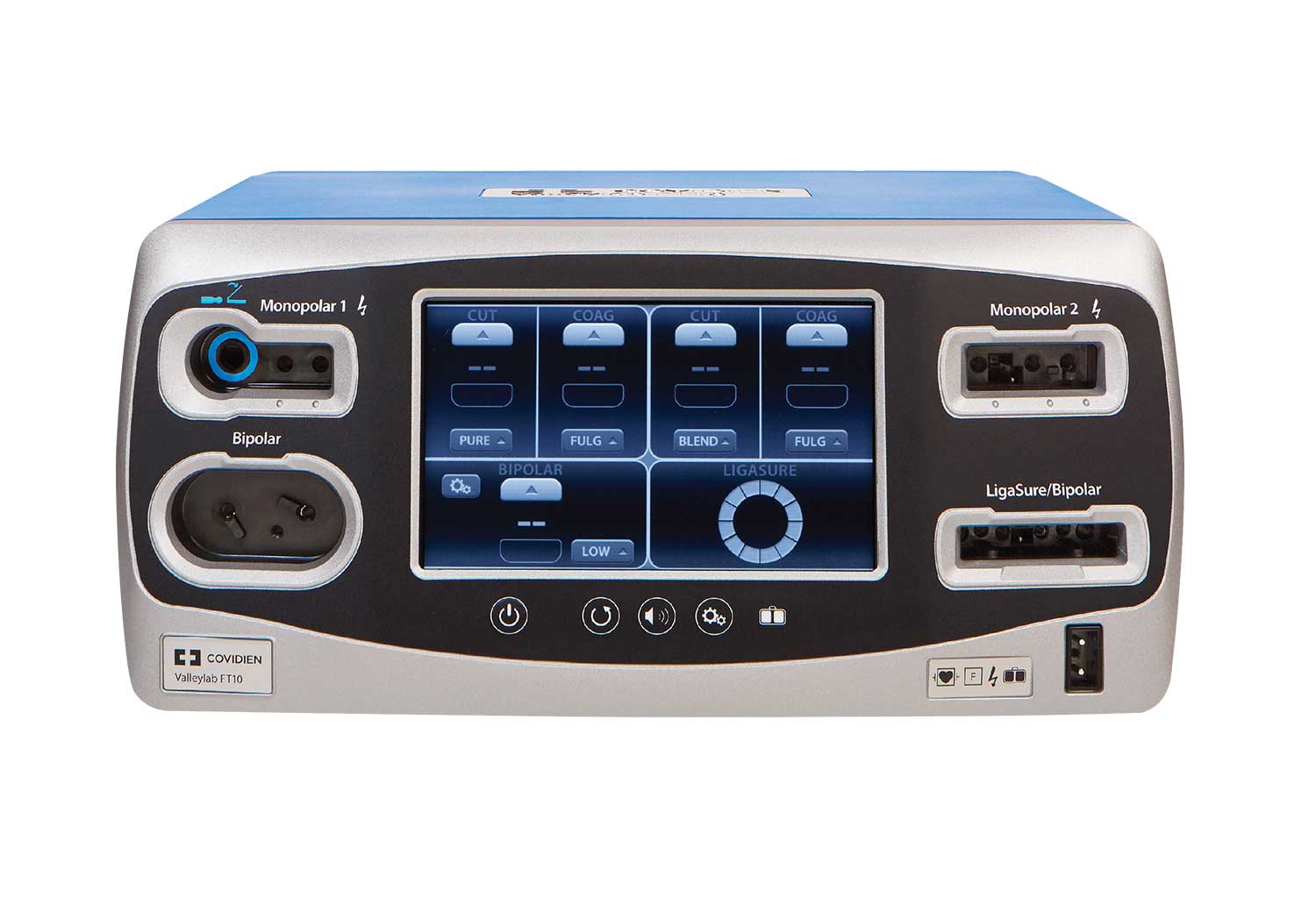
Bypoller machine
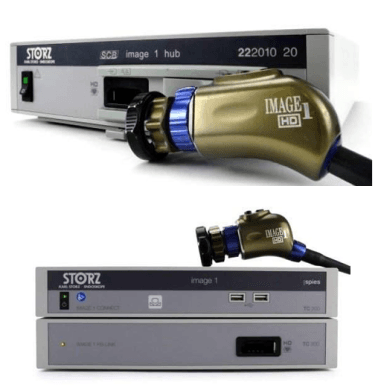
Image HD Operating System (Karl Storz, Germany) :
gives crisp & sharp images with better depth perception & identification of blood vessels.
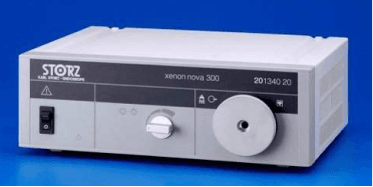
Xenon 300 Light Source (Karl Storz, Germany) :
Mimics nature day light, better for clinical judgment & identification of tissue planes. It avoids excessive heat & dehydration.
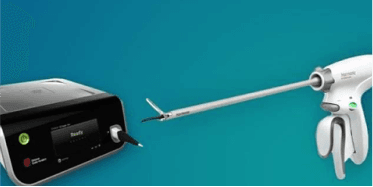
Harmonic Scalpel (Johnson, USA) :
Ultrasound based state of art dissecting scissors which has lesser tissue damage as compared to electric energy & avoids tissue damage.
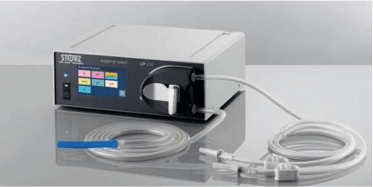
Endomat (Karl Storz, Germany) :
To attain optimal distension of uterine cavity during hysteroscopy so that septum resection or myomectomy can be done without risk of fluid overload & perforation.
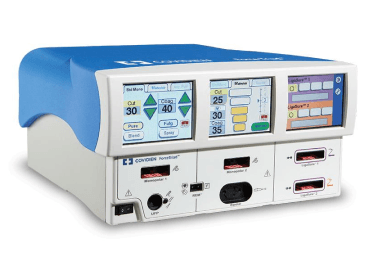
Force Triad – Energy platform Covidien –Valleylab
Best in Class” Cautery Monopolar + Bipolar + Vessel Sealer Ideal for difficult laparoscopy cases such as endometriosis & Myomectomy reduces surgical time and blood loss.
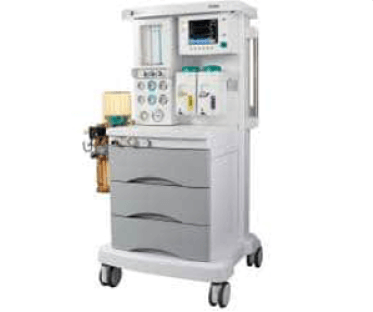
Anesthesia Work Station 9100 c (Datex Ohmeda, Germany) :
Dedicated anesthesia trolley with automatic as well as manual mode for ventilatory support and multi-parameter monitor system which includes vitals of the patient, CO2 and O2 saturation in analog and graphical manner.
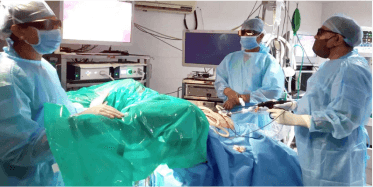
Aesculap Einstein 3D-HD-Laparoscopy
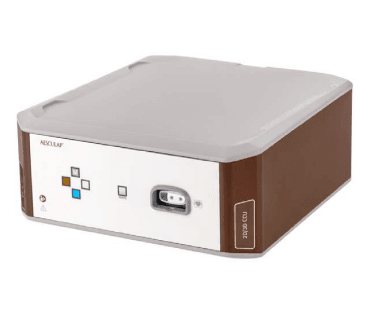
Camera Control Unit
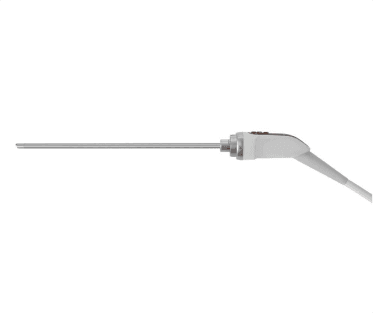
Camera Heads
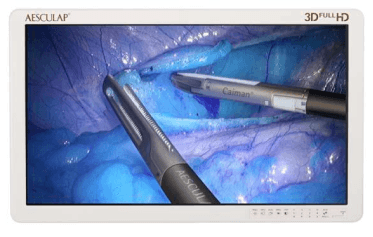
3D Monitor
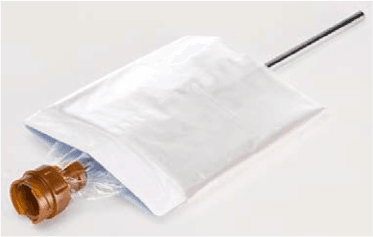
sterile camera drapes
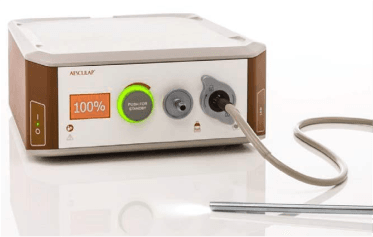
LED Light source
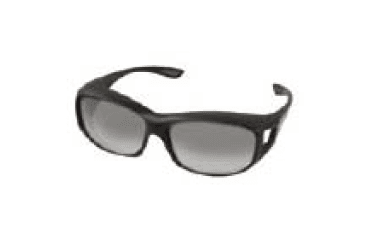
3D anti-fog glasses
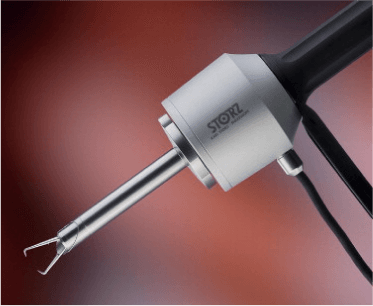
Rotocut Morcellator (Karl Storz, Germany) :
To retrieve large myoma after myomectomy without incision by piece meal method.
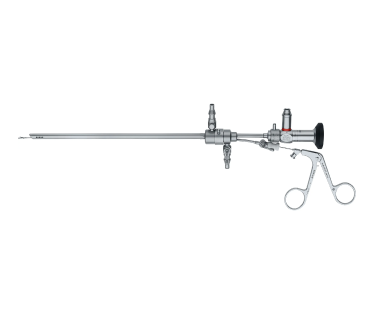
Bettochhi
Types of of Laparoscopic surgery
- Diagnostic Laparoscopy – Diagnostic laparoscopic surgery, a minimally invasive procedure, is used to visualize the pelvic cavity and reproductive organs to identify causes of infertility. It involves inserting a thin, lighted tube with a camera (laparoscope) through small incisions, allowing a doctor to directly examine the uterus, fallopian tubes, and ovaries. This allows for a detailed inspection of these organs and tissues, helping to identify potential causes of infertility. This helps diagnose conditions like endometriosis, blocked tubes, or scar tissue that may be affecting fertility.
- Operative laparoscopy– Minimally invasive fertility enhancing laparoscopic surgery to diagnose and treat pelvic pathology to improve outcome of infertility treatment.
1. Laparoscopic myomectomy – To remove fibroid using laparoscope, which are big in size or interfering endometrial cavity.
2. Laparoscopic endometriotic cyst removal and treatment of endometriosis – Laparoscopic endometrioma cystectomy is a minimally invasive surgical procedure to remove an endometrioma, a cyst formed by endometrial tissue, from the ovary. It is also called chocolate cyst .
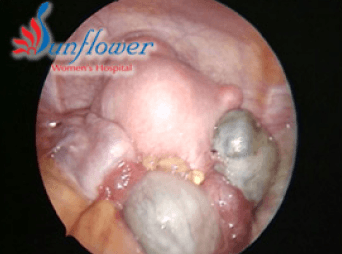
3. Adhesiolysis – Pelvic inflammation & infection commonly tuberculosis & non specific type leads to adhesions (abnormal connecting bands) between pelvic organs. This can be treated efficiently relieving clinical symptomatology and re-establishing fertility status by laparoscopy due to crisp image & magnification.
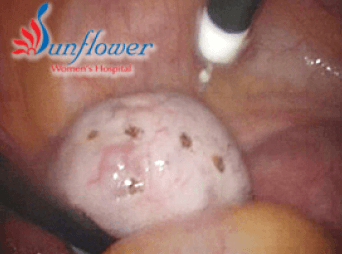
4. PCOD drilling– a surgical procedure used to treat polycystic ovary syndrome (PCOS) and improve ovulation in women who are not responding to other treatments like weight loss or fertility medications. It involves using heat or a laser to create small punctures in the outer layer of the ovaries, which can help reduce androgen production and improve ovarian function.
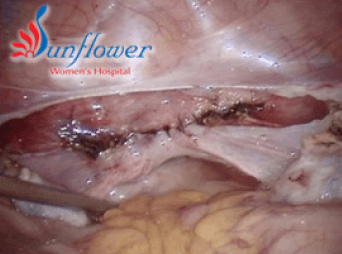
5. Surgery for hydrosalpinx– laparoscopic removal of fallopian tube or clipping fallopian tube at the cornu will help to improve IVF success rate.
6. Total laparoscopic hysterectomy– Laparoscopically removal of uterus for any uterine pathology after family is complete. E.g – for fibroid uterus, Adenomyosis of uterus, Heavy periods, endometriosis, chronic pelvic inflammatory diseases.
7. Ectopic pregnancy- when pregnancy implant out side uterine cavity. Most common site is fallopian tube. Laparoscopic salpingectomy or salpingostomy done.
Advantage of laparoscopy surgery
- Minimally Invasive:
Laparoscopic surgery involves small incisions (typically around 0.5 to 1.5 centimeters) compared to the larger incisions required for open surgery.
- Reduced Pain and Discomfort:
The smaller incisions and minimal tissue trauma lead to less pain and discomfort after the procedure.
- Faster Recovery:
Patients can resume normal activities sooner after laparoscopic surgery, with shorter hospital stays and quicker healing times.
- Smaller Scars:
The small incisions result in smaller, less noticeable scars compared to the larger scars from open surgery.
- Reduced Risk of Complications:
Laparoscopic surgery is associated with a lower risk of complications, such as infection, bleeding, and blood clots.
- Improved Cosmetic Outcome:
The smaller scars from laparoscopic surgery lead to a better cosmetic outcome for patients.
- Less Blood Loss:
The smaller incisions and minimal tissue disruption result in less blood loss during and after the procedure.
- Less Need for Analgesia:
Because of the reduced pain and tissue trauma, patients often require less pain medication after laparoscopic surgery.
- Improved Visibility:
The camera and instruments used in laparoscopic surgery provide surgeons with a magnified, high-definition view of the internal organs, allowing for more precise dissection and hemostasis.